
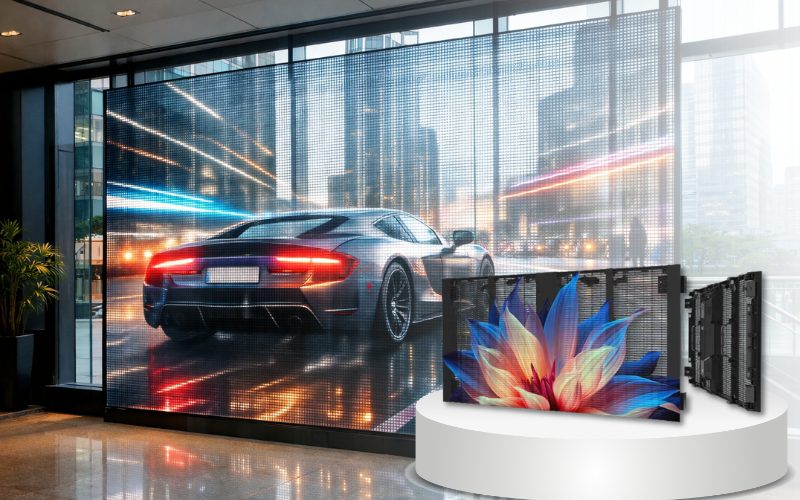
Digital display technology has evolved rapidly over the last decade, but one innovation transforming retail, advertising, and architectural spaces is the Transparent LED Display. Unlike traditional LED screens that block visibility, transparent LED technology allows businesses to showcase dynamic digital content while maintaining openness, natural light, and architectural aesthetics. From glass storefronts to commercial facades, transparent LED displays are becoming the preferred solution for brands seeking high visual impact without compromising design.

What Is a Transparent LED Display?

A Transparent LED Display is a high-visibility digital screen built with a transparent structure that allows light and visibility to pass through the panel. These displays are typically installed on glass surfaces such as windows, facades, and partitions, transforming them into engaging digital communication platforms. The unique construction of transparent LED panels ensures that digital content remains clearly visible while the background stays partially viewable, creating a modern and premium visual effect.

Where Transparent LED Displays Are Commonly Used

Transparent LED Displays are widely adopted across industries where visual communication and design integration go hand in hand.
  • Retail storefront windows for product promotions
  • Shopping malls and commercial showrooms
  • Glass building facades for branding and advertising
  • Corporate lobbies and reception areas
  • Exhibitions, stage designs, and event backdrops
These applications allow brands to communicate digitally without blocking visibility or natural lighting.

Why Businesses Prefer Transparent LED Display Technology

Seamless Integration with Architecture

Transparent LED displays blend naturally with glass surfaces and modern building designs. They enhance aesthetics rather than overpowering the space.

Natural Light & Visibility Retention

Unlike conventional LED walls, these displays maintain transparency, allowing people to see through windows and facades even while content is playing.

High Visual Impact for Advertising

With bright visuals and dynamic content capability, transparent LED displays turn ordinary glass into powerful advertising media.

Lightweight and Easy Installation

The lightweight structure reduces the need for heavy support frames, simplifying installation for commercial projects.

Energy Efficient Operation

Due to optimized LED density, transparent LED displays consume less power compared to full-panel LED screens, making them suitable for long operational hours.

Transparent LED Display vs Traditional LED Screens

While traditional LED displays are ideal for outdoor billboards and large video walls, they are not suitable for spaces where visibility and design aesthetics are critical. Transparent LED Display technology addresses this limitation by delivering digital visibility without blocking architectural elements. This makes it a preferred choice for retail brands, architects, and commercial developers seeking modern display solutions.

The Growing Demand for Transparent LED Displays in Retail and Commercial Spaces

As shopping environments and commercial buildings evolve, brands are exploring innovative ways to attract attention without disturbing interior layouts. Transparent LED display technology provides the perfect balance — digital communication combined with design harmony. Retailers, advertisers, and architects are increasingly adopting transparent LED displays to create immersive brand experiences that feel modern, premium, and engaging.

Conclusion

A Transparent LED Display is not just a screen — it is a design-friendly digital communication solution for contemporary spaces. By combining visibility, aesthetics, and performance, this technology transforms glass surfaces into impactful visual platforms. With applications across retail, commercial, and architectural environments, transparent LED displays represent the future of digital visual communication for businesses aiming to stand out while preserving design integrity.

Leave a Reply

Your email address will not be published. Required fields are marked *

This field is required.

This field is required.